Yellowstone National Park: Where to Go, What to See & When to Visit
Wildlife, wonders, and insider guidance from local guides who know the park inside out.



Yellowstone National Park: Where to Go, What to See & When to Visit
Wildlife, wonders, and insider guidance from local guides who know the park inside out.
Yellowstone National Park is America’s first national park. 2.2 million acres of geothermal wonders, sweeping wilderness, and the densest concentration of free-roaming wildlife in the lower 48. From the wolves of Lamar Valley to the geysers of the Upper Loop, Yellowstone delivers a different experience every season. Visiting independently can feel overwhelming. Knowing where wildlife actually appears, when to arrive, and how to read the landscape is the difference between hoping to see a grizzly and watching one for forty-five minutes from a safe pullout. That’s where a local guide changes the trip.
Where is Yellowstone
Yellowstone National Park is located mostly in the northwest corner of Wyoming, spanning 3,500 square miles. The park is navigated via the “Grand Loop” road system and is accessible through five main gates. Most visitors fly into Jackson Hole (JAC), Bozeman (BZN), or Cody (COD).
The Five Park Entrances
- South Entrance (Jackson Hole, WY): Connects directly to Grand Teton National Park. This is the primary gateway for most BrushBuck tours!
- North Entrance (Gardiner, MT): The only gate open to wheeled vehicles year-round.
- West Entrance (West Yellowstone, MT): The busiest gateway, offering quick access to the main geyser basins.
- Northeast Entrance (Cooke City, MT): The best route to the wildlife-rich Lamar Valley.
- East Entrance (Cody, WY): A scenic drive directly to the shores of Yellowstone Lake.
Navigating the Grand Loop
- The Upper Loop: Features Mammoth Hot Springs and the premier wildlife viewing of Lamar Valley.
- The Lower Loop: Home to iconic thermal features like Old Faithful, Grand Prismatic Spring, and the Grand Canyon of the Yellowstone.

Yellowstone Experiences
Six experiences that define a Yellowstone trip – and where to find them.
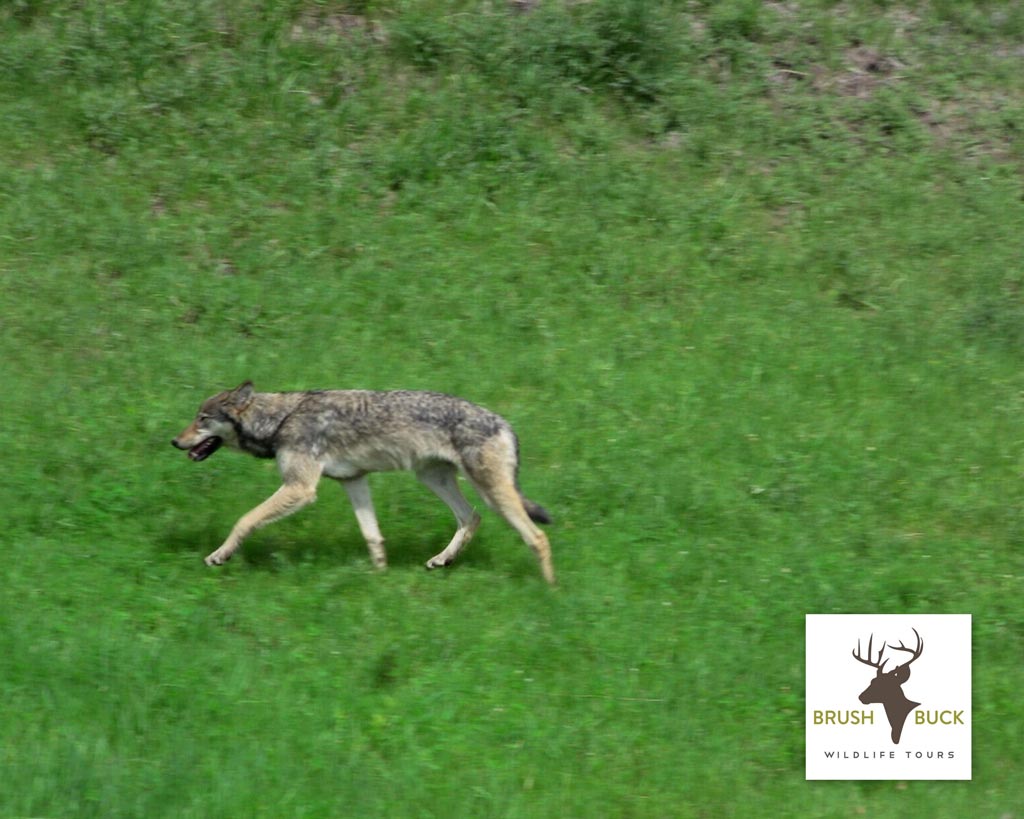
Wolf Watching in Lamar Valley
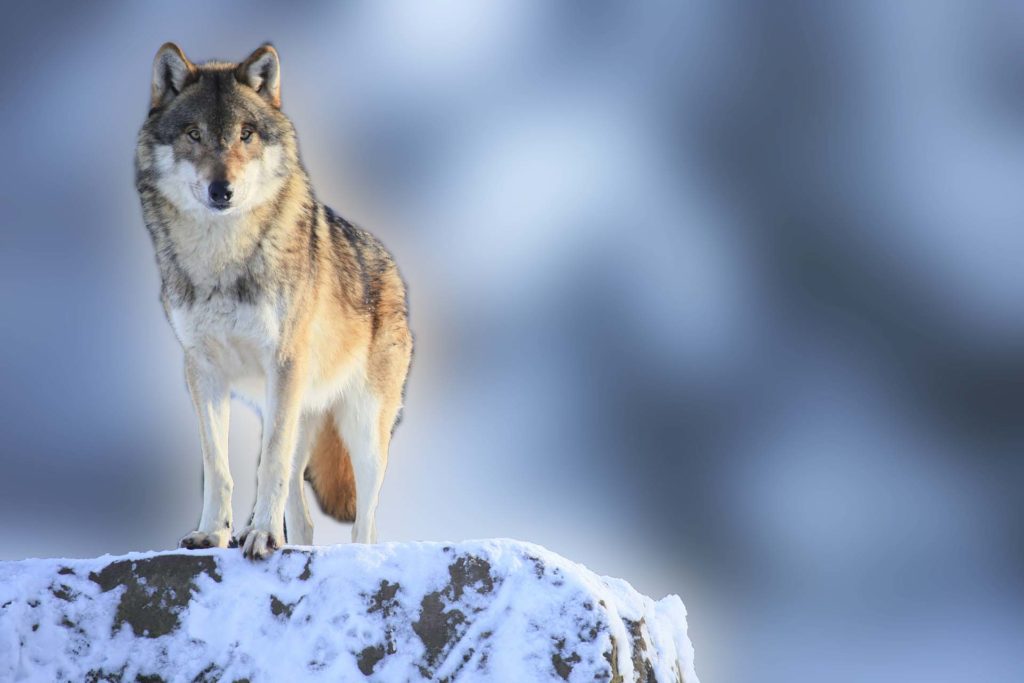
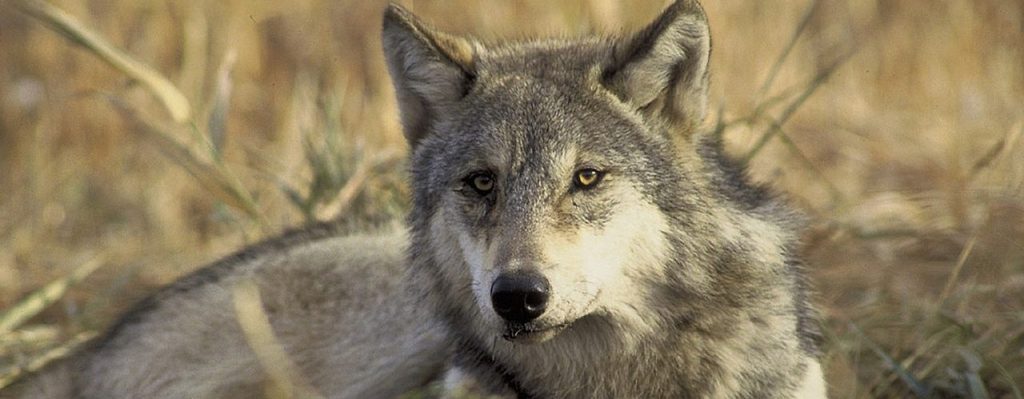
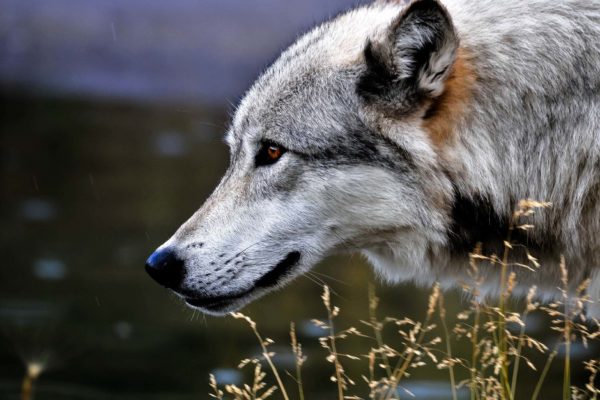
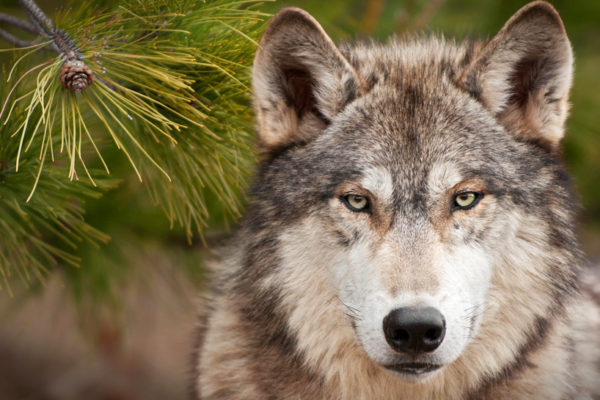
Lamar Valley is the wildlife capital of Yellowstone – and the single best place in the lower 48 to see wild wolves. Since reintroduction in 1995, the valley has supported around 100 wolves across roughly 8-9 packs at any given time, and the open sagebrush terrain means they’re visible from the road in a way they’d never be in forested country.
The best viewing happens in the first two hours after sunrise and the last two before sunset, when wolves are actively hunting. From May through October, scopes at the Slough Creek and Lamar Canyon pullouts regularly pick up wolves at distances of half a mile or more. Winter brings the highest visibility of all; black wolves against fresh snow are unmistakable, and packs concentrate around elk herds wintering in the valley.
Our 4-day Yellowstone Wolf Tour operates in winter when wolf-watching is at its peak. For deeper background, see our guides to Yellowstone’s wolves and wolf-watching tips for the park.
Geothermal Features: Old Faithful, Geyser Basins & Mammoth Hot Springs
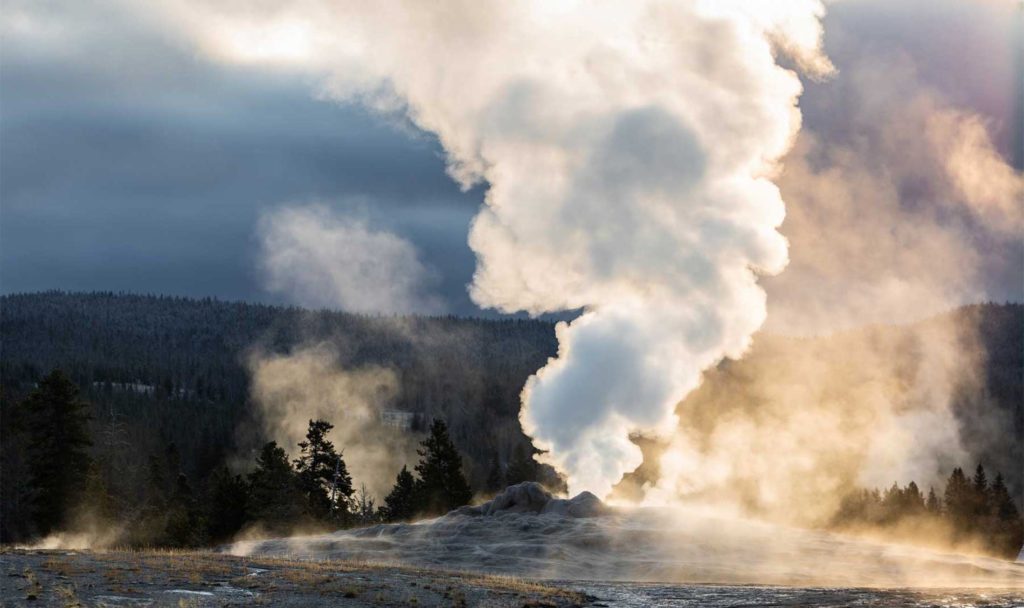
Yellowstone sits on top of an active supervolcano, and the geothermal features it powers are unlike anywhere else on Earth. The park contains more than half the world’s active geysers — roughly 500 of them – plus thousands of hot springs, mud pots, and fumaroles.
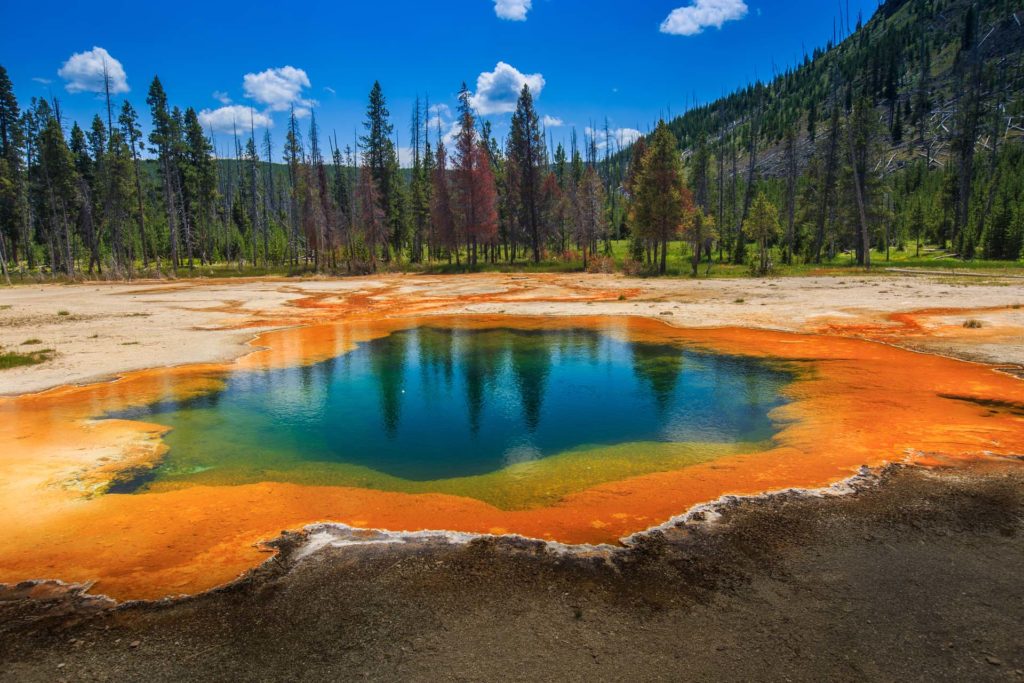
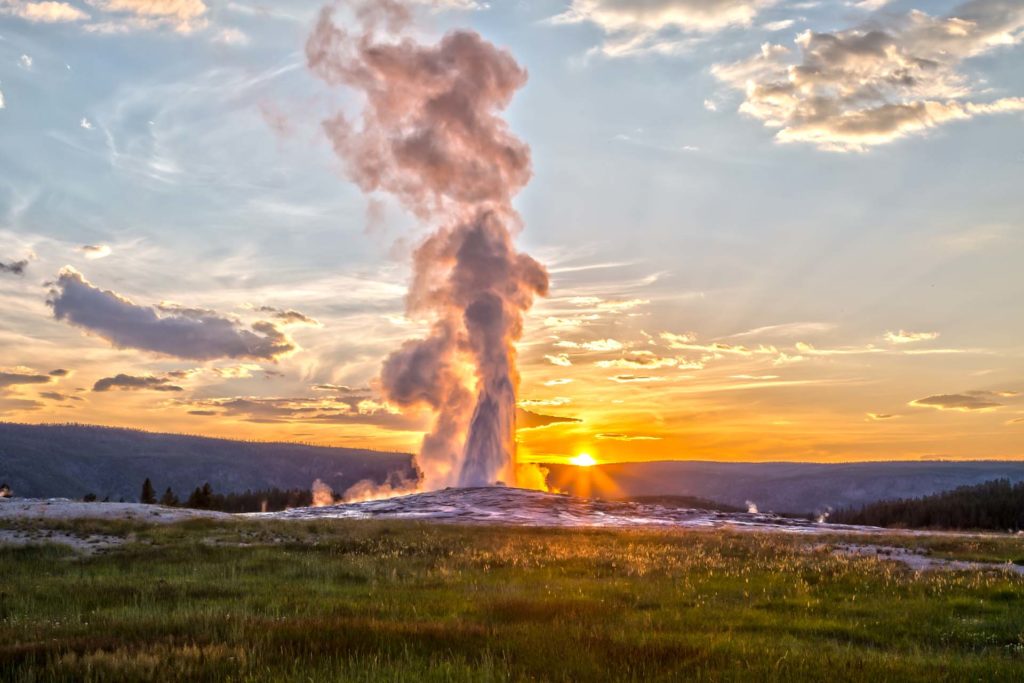
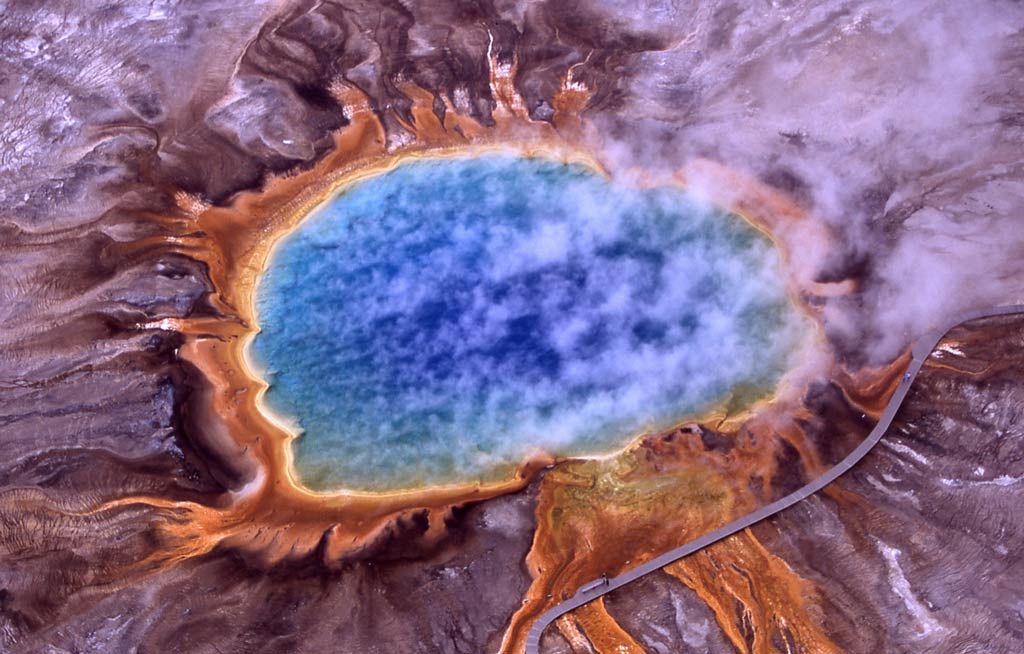
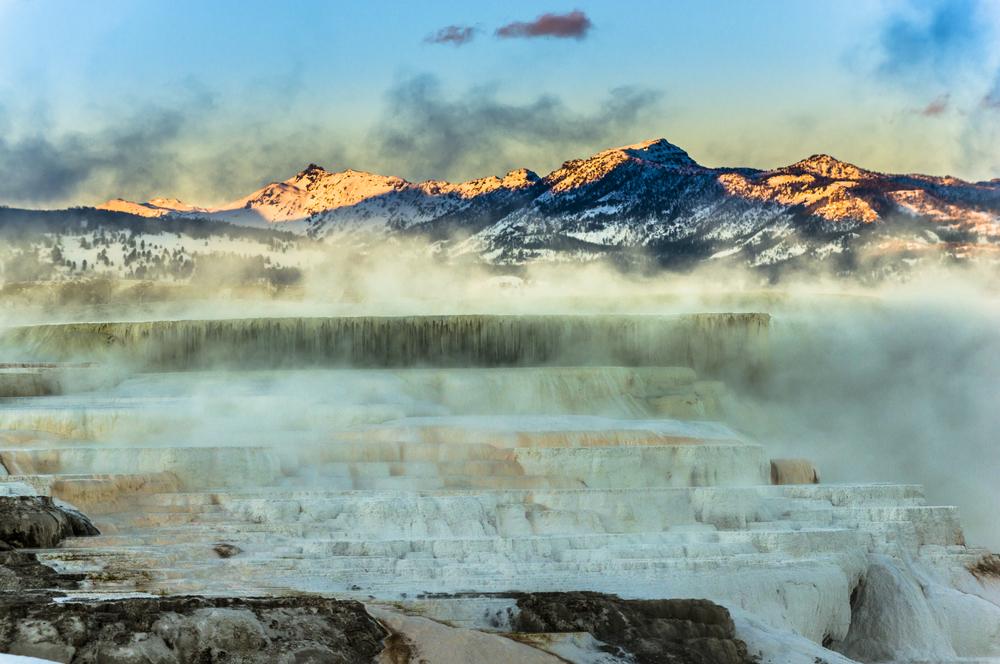
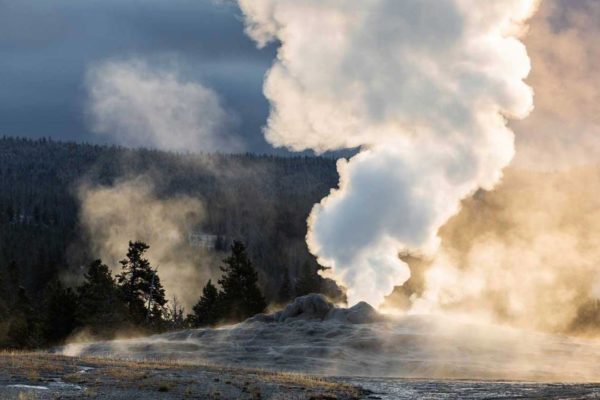
Old Faithful erupts every 90 minutes or so and remains the most-visited single attraction, but the surrounding Upper Geyser Basin holds dozens of features within walking distance, including Grand Geyser and Castle Geyser. Grand Prismatic Spring, in the nearby Midway Geyser Basin, is the largest hot spring in the United States — and the most photographed. Mammoth Hot Springs, in the park’s northwest corner, builds slow travertine terraces that change shape from year to year.
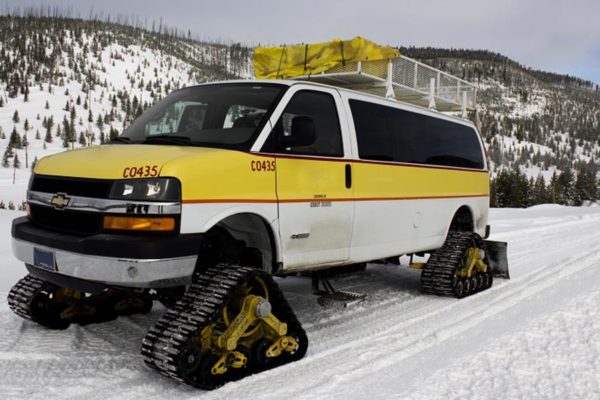
The crowds at Old Faithful are real. Arriving before 9 a.m. or after 5 p.m. changes the experience significantly. Curious about how it all works? See our blogs on Old Faithful’s history, why the geysers smell, and the Yellowstone supervolcano. Our winter snowcoach tour accesses Old Faithful when most of the park is closed to cars.
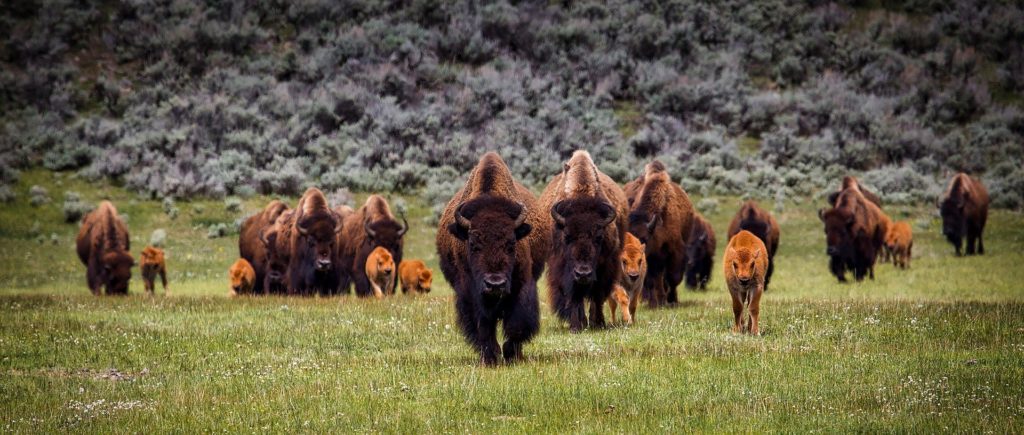
Bear & Bison Viewing in Hayden & Lamar Valleys
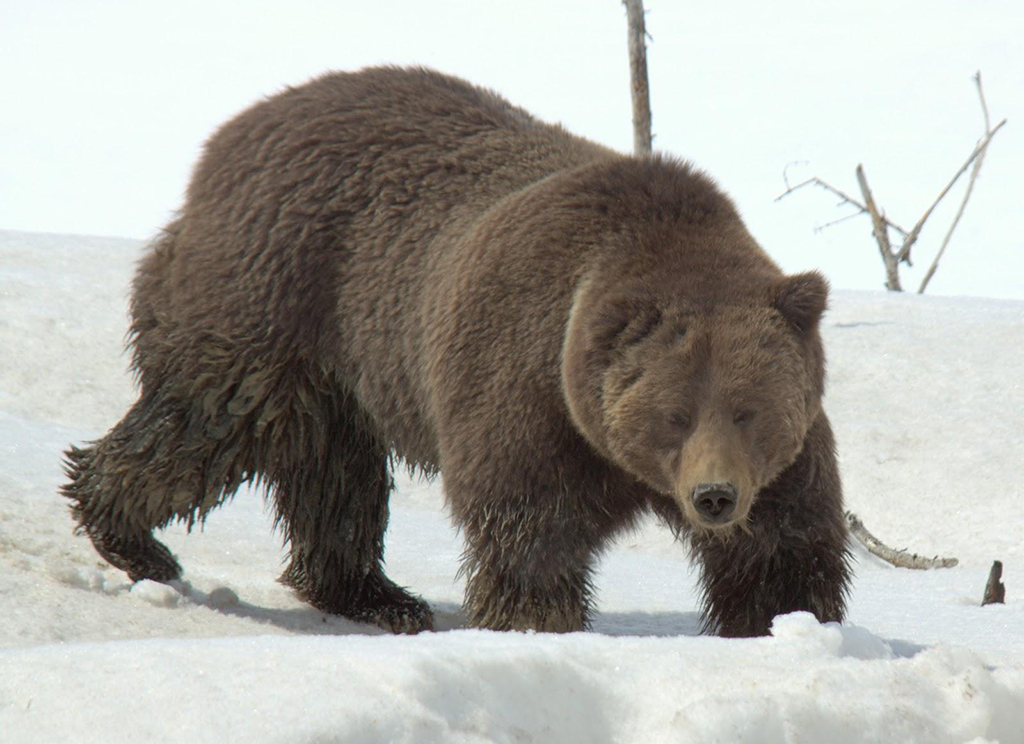
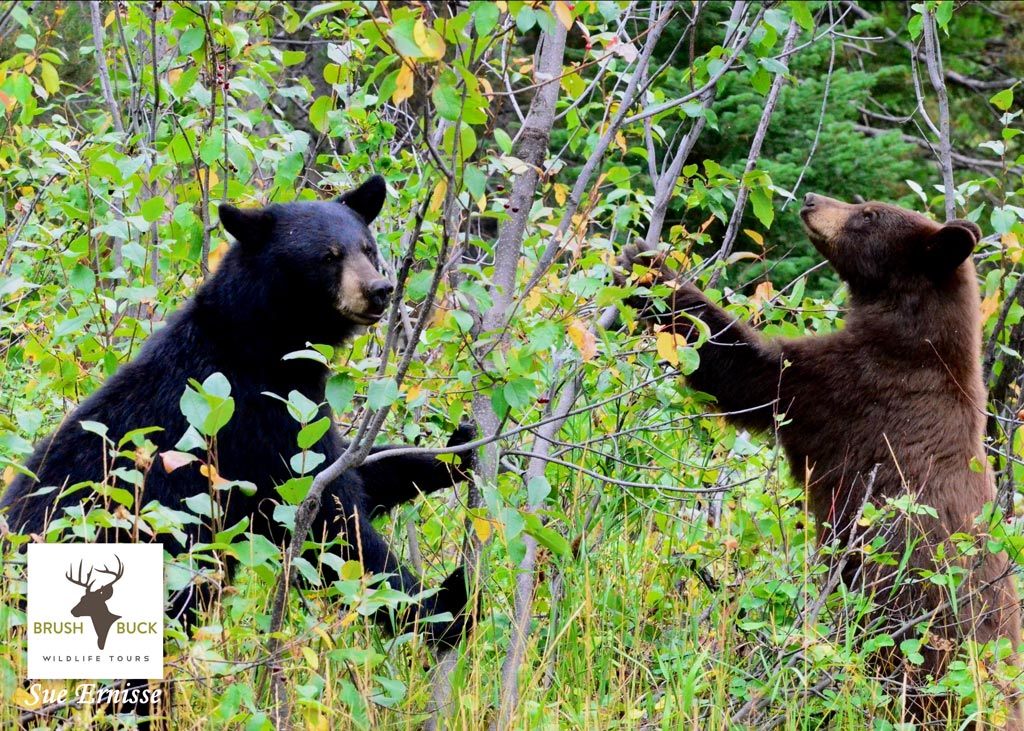
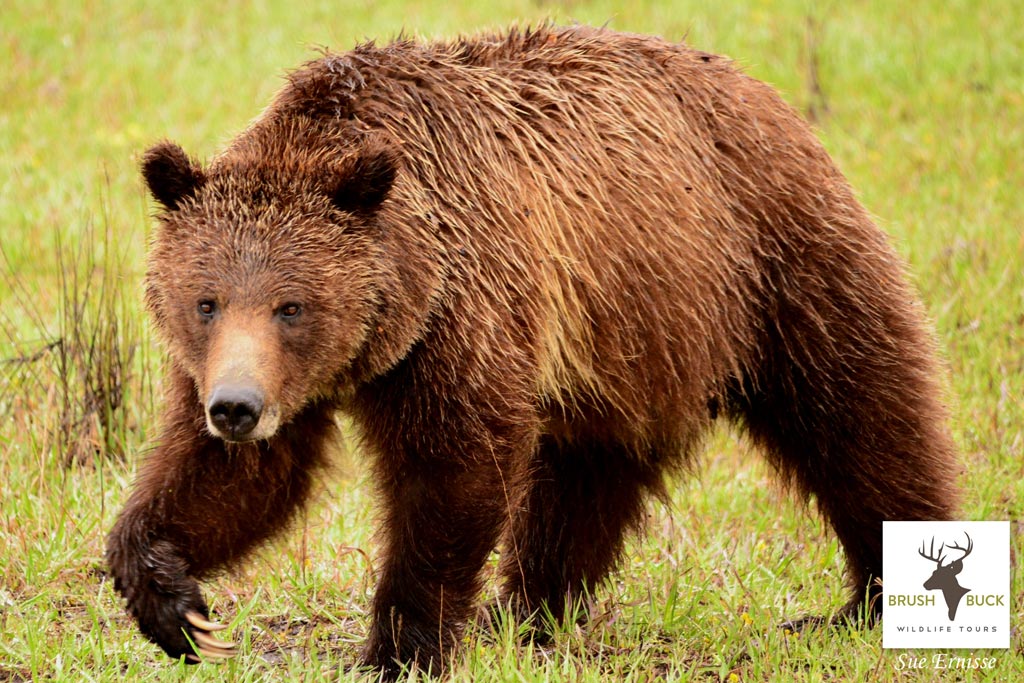
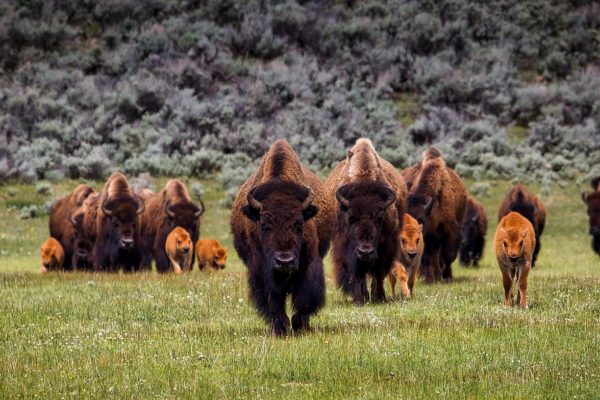
Yellowstone is home to roughly 5,000 bison, over 1030 grizzly bears, and over 1400 black bears, the densest concentration of large mammals in the lower 48 states. The two best places to see them are Hayden Valley in the park’s interior and Lamar Valley in the northeast.
Hayden Valley draws massive bison herds in summer, often crossing the road in numbers that bring traffic to a complete stop. Lamar Valley offers a broader mix, bison year-round, plus the best odds for grizzly sightings in spring when bears emerge from hibernation hungry and move into the open to feed. Black bears are more often spotted in the Tower-Roosevelt area, where mixed forest meets meadow.
For more, see our guides to Yellowstone’s bison, bear hibernation cycles, and what to do if you encounter a bear. Our private Wildlife & Scenic tour focuses on these valleys at peak hours.
The Grand Canyon of Yellowstone
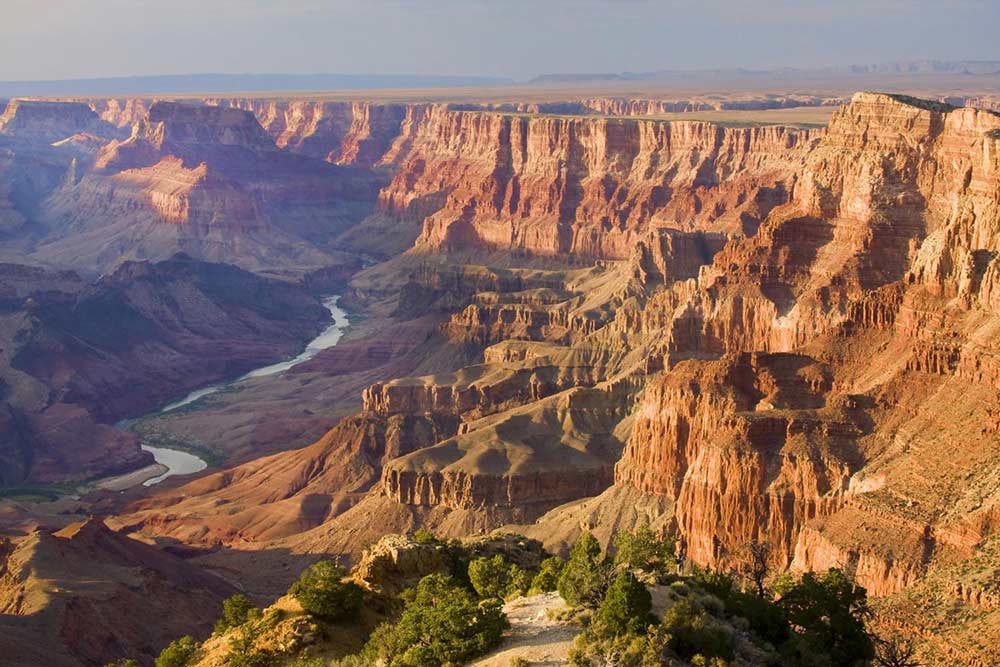
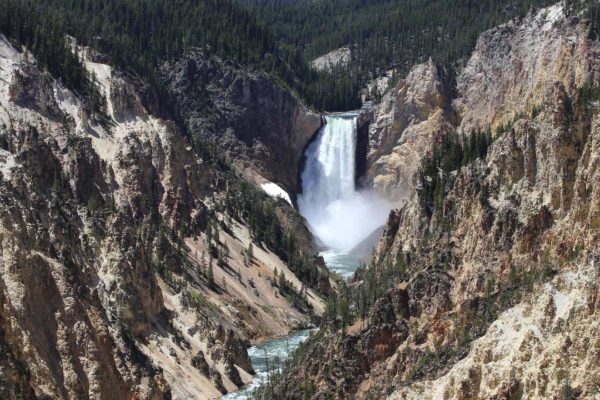
The Grand Canyon of the Yellowstone is the park’s most underrated experience. The canyon stretches 24 miles, runs up to 1,200 feet deep, and is famous for the brilliant yellow and orange rock walls that gave the park its name.
Two waterfalls anchor the canyon. The Upper Falls drops 109 feet. The Lower Falls drops 308 feet, more than twice the height of Niagara. Artist Point on the south rim is the iconic vista point, made famous by Thomas Moran’s 1872 paintings that helped convince Congress to establish the park. The north rim’s Brink of the Lower Falls trail brings you to the very edge of the cascade, with the river falling away beneath your feet.
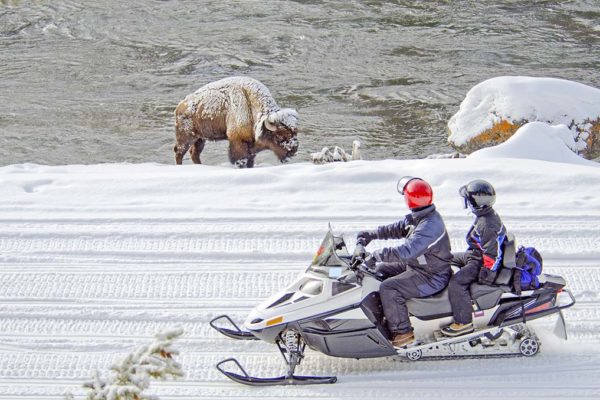
The canyon is accessible year-round, with different experiences in each season. In summer, our Old Faithful, Waterfalls and Wildlife Day Tour covers the canyon along with the park’s geothermal highlights. The 4 Day / 3 Night Grand Teton & Yellowstone Adventure gives you time to explore both rims properly. In winter, when the falls partially freeze and the crowds disappear, our Grand Canyon snowmobile tour accesses Artist Point and the falls overlooks.
Winter in Yellowstone
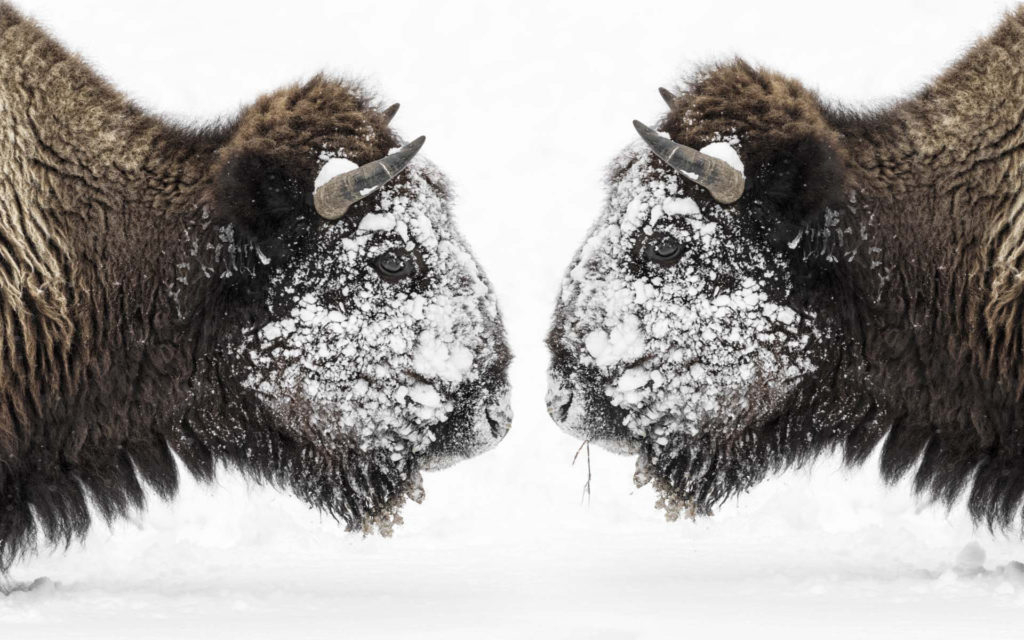
Winter is the season most visitors skip and the one most guides quietly prefer. From December through March, most of Yellowstone’s roads close to passenger vehicles. Leaving the interior accessible only by snowcoach, snowmobile, or skis. The result is a park with the same wildlife and geothermal features and a fraction of the people.
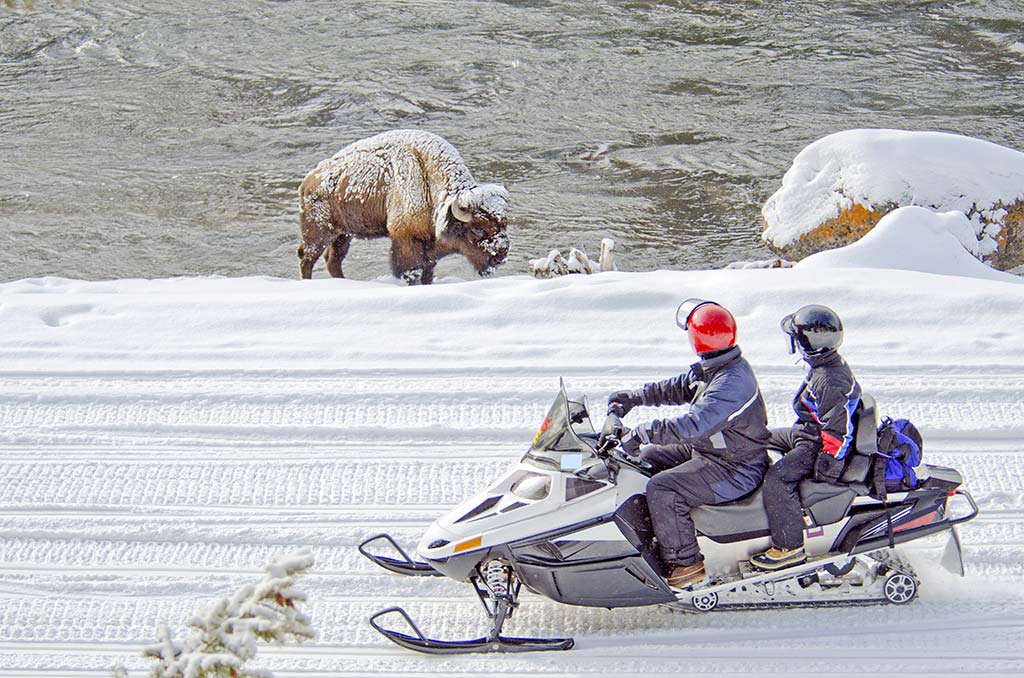
Wolves are easier to see against snow. Bison congregate around the geyser basins for the warmth, photographed in clouds of their own breath. Coyotes and ravens work the carrion. Geyser eruptions throw steam dozens of feet higher into the cold air than they do in summer. The Grand Loop Road from Mammoth to Cooke City stays plowed year-round, providing direct access to Lamar Valley and the park’s best winter wildlife viewing.
Winter touring requires the right transportation. We run snowcoach tours into the park’s interior, snowmobile tours for groups who want a more active experience, and full winter tour packages covering both. Layers, hand warmers, and patience are required. The payoff is the version of Yellowstone most people never see.
Hidden Gems & Off-the-Beaten-Path
Most visitors cluster around the major pullouts and overlooks. The crowds cluster at Old Faithful, the canyon overlooks, and the major valley pullouts — leaving the rest of the park’s 3,500 square miles relatively quiet.
A few places worth knowing about: Mystic Falls in the Upper Geyser Basin is a 70-foot waterfall reached by a 2.4-mile loop trail, walkable in an hour and almost always empty. The Lone Star Geyser, accessed by a flat 5-mile round-trip on an old service road, erupts roughly every three hours with crowds in the single digits. Pebble Creek Trail in the northeast offers genuine backcountry feel with views into Lamar Valley. Even at the famous spots, timing changes everything — Grand Prismatic at 7 a.m. is a different experience than Grand Prismatic at noon.
For deeper recommendations, see our insider’s guide to Yellowstone’s hidden gems and our day hiking guide. The best off-the-beaten-path experiences in the park aren’t secret — they just require knowing where to look.
Wildlife You’ll See at Yellowstone National Park
Yellowstone supports the largest concentration of mammals in the lower 48 states. The park is home to 67 species of mammals, nearly 300 bird species, and a healthy population of fish, reptiles, and amphibians. Some are easy to spot from the road. Others require patience, the right season, and a guide who knows where to look. Here are the species most visitors come hoping to see.


Large Mammals
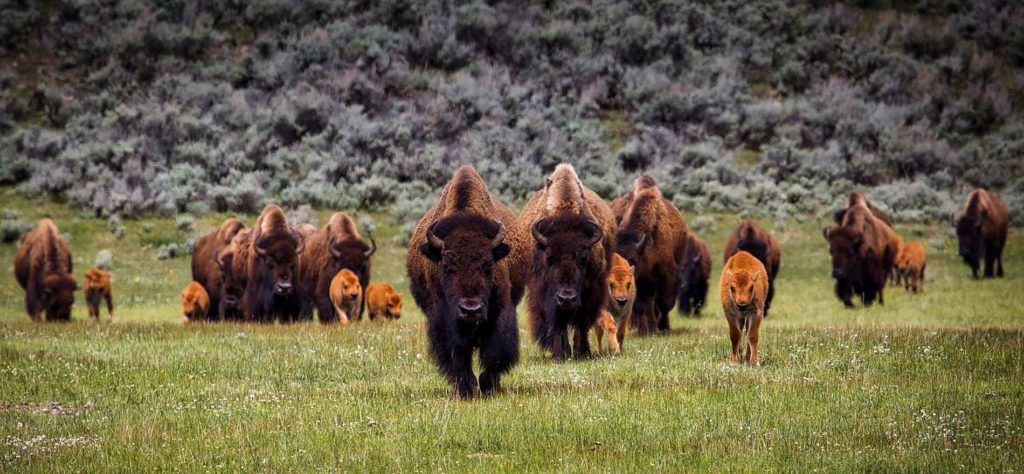
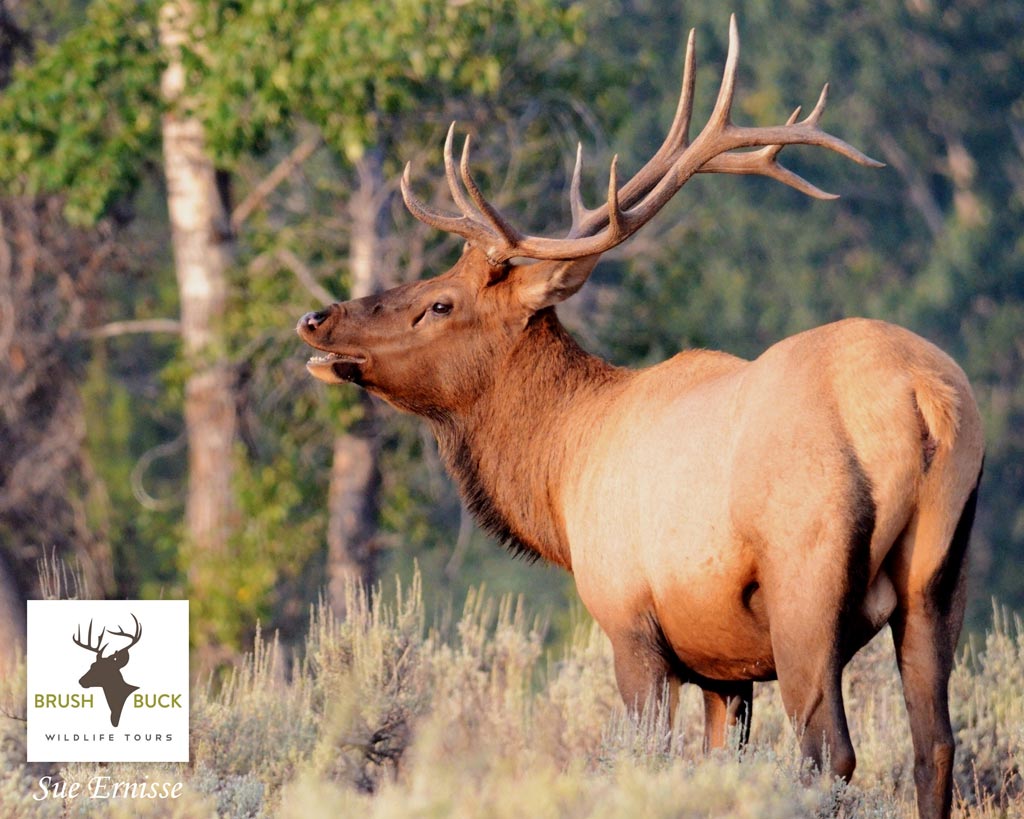
| Bison (American Buffalo) | Elk (Wapiti) | Grizzly Bear | Black Bear |
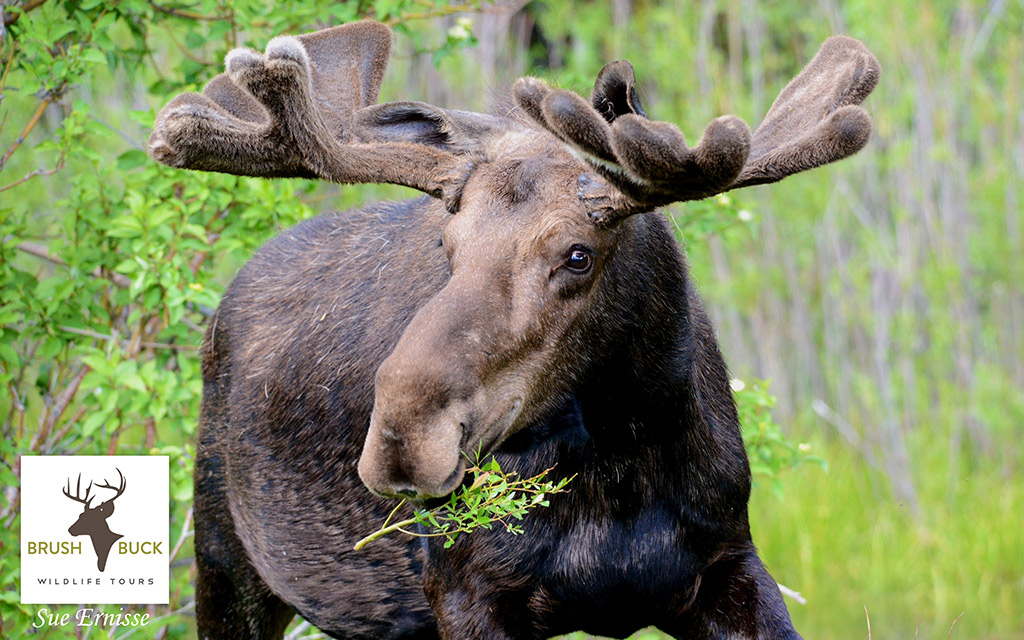
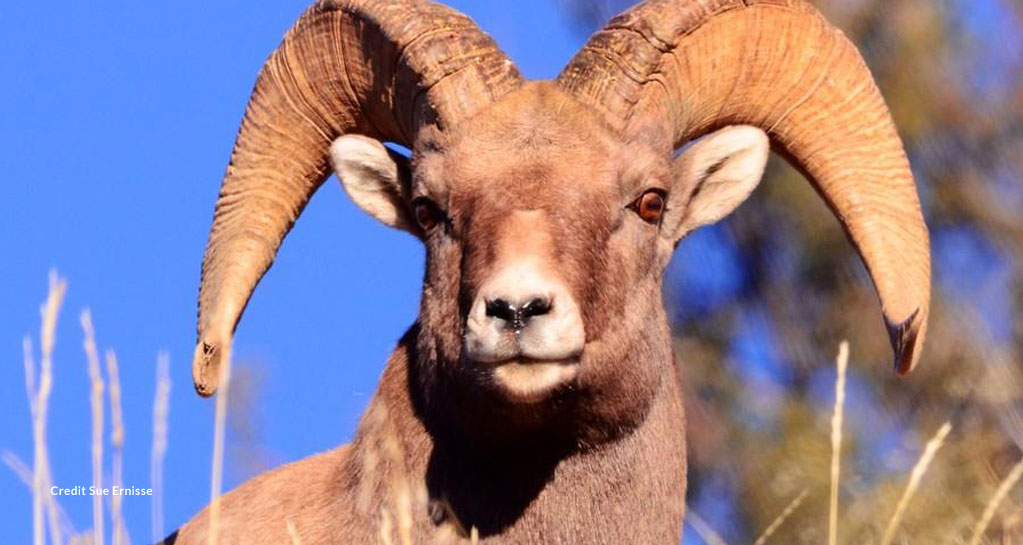
| Gray Wolf | Moose | Pronghorn | Bighorn Sheep |
| Mule Deer |
Mid-Sized to Small Mammals
| Coyote | Red Fox | Cougar (Mountain Lion) | River Otter |
| American Beaver | American Badger | Yellow-bellied Marmot | American Pika |
| United Ground Squirrel |
Birds
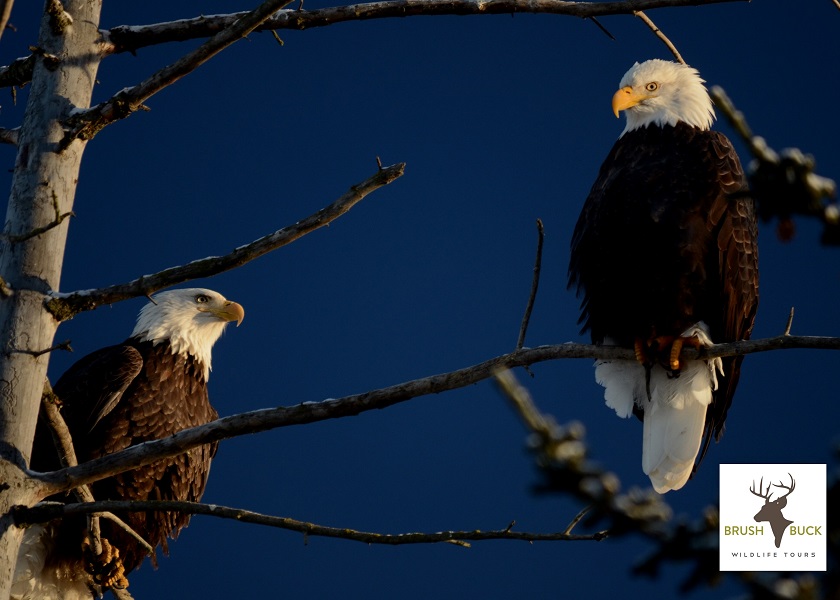
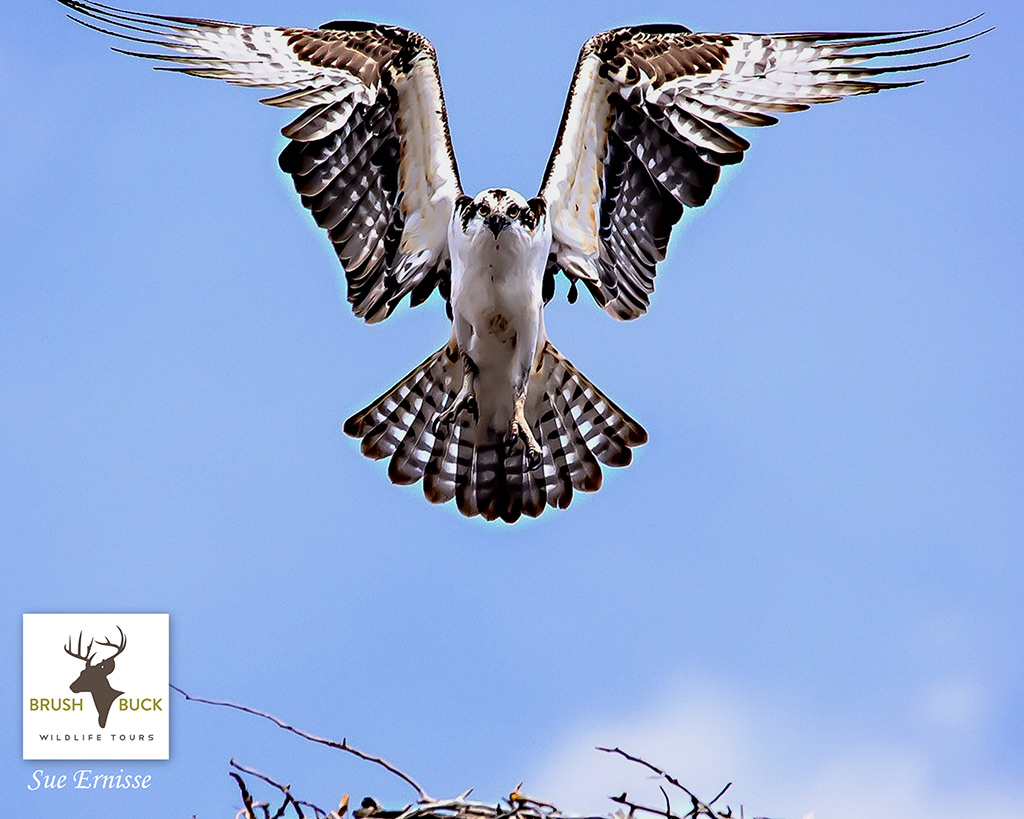
| Bald Eagle | Osprey | Trumpeter Swan | Common Raven |
| Sandhill Crane | American White Pelican | Clark’s Nutcracker |
Fish, Reptiles, and Amphibians
| Yellowstone Cutthroat Trout | Mountain Whitefish | Lake Trout | Boreal Chorus Frog |
| Columbia Spotted Frog | Terrestrial Garter Snake | Prairie Rattlesnake |
When to Visit Yellowstone
The best time to visit Yellowstone depends entirely on what you want to see. Wolf watchers and photographers come in spring and winter, when wildlife is most active and crowds are thin. First-time visitors and families come in summer, when every road and trail is open. Fall brings the rut, golden landscapes, and a sweet spot of fewer crowds with still-accessible roads. Winter is for those willing to trade comfort for solitude, and the best chance of seeing wolves in the lower 48. Here’s what to expect in each season:
Spring Tours
Weather
30 to 60°F, snow at elevation, roads gradually opening
Wildlife
Bears emerging from hibernation, bison calves born, wolf pups visible
Crowds
●●○○○ Light
Best for
Wildlife photographers, wolf watchers
Summer Tours
Weather
70 to 80°F days, all roads open, afternoon thunderstorms common
Wildlife
Elk and bison active throughout, grizzlies fishing, full diversity
Crowds
●●●●● Heavy
Best for
First-time visitors, families, all-park access
Fall Tours
Weather
40 to 60°F, golden aspens, snow possible by mid-October
Wildlife
Elk rut and bugling, bears feeding heavily pre-hibernation
Crowds
●●●○○ Moderate
Best for
Photographers, wildlife enthusiasts, fewer crowds
Winter Tours
Weather
-20 to 30°F, most roads closed to cars, snowcoach access only
Wildlife
Wolves visible against snow, bison in geothermal basins, steam phantoms
Crowds
●○○○○ Very light
Best for
Adventurers, serious photographers, wolf watchers
Yellowstone Scenery and Wildlife



Should You Pick a Guided Tour?
You don’t need a guide to visit Yellowstone. The park is well-marked, the major roads are easy to drive, and millions of people see it on their own every year. The honest question is whether a guide is worth what they cost for the kind of trip you want. Here’s the trade-off.
Guided Tour
- Higher chance of wildlife sightings Guides know the current hotspots, coordinate with other guides, and bring high-quality spotting scopes.
- Expert knowledge Guides share deep insights into park history, geology, and wildlife behavior you might otherwise miss.
- Stress-free navigation No worrying about driving, finding parking, or fighting traffic delays.
- Safety first Experienced guides know how to navigate wildlife encounters and thermal areas, keeping you out of harm’s way.
- Social connection Traveling with a small group adds a fun, shared dynamic where you can connect with like-minded travelers.
No Guide / Self-Drive
- Complete flexibility Set your own schedule, choose where to stop, and stay at a location for as long as you want.
- Lower upfront cost Less expensive on paper, especially for families or groups, since you only pay for park entry and fuel.
- Spontaneity Change plans on a whim, take random detours, or wake up early and stay out late depending on your mood.
Cost of a Yellowstone Guided Tour
At BrushBuck Tours, a Yellowstone guided tour pricing depends on tour length, group size, and whether you book a public small-group tour or a private experience. Public tours are priced per person and offer the most accessible entry point. Private tours are priced per party for groups who want a customized experience with just their own travel companions.
Public Tours
Public · Shared with up to 9 guests
Prices shown reflect double occupancy on multi-day tours. Single occupancy: $1,209 (2 day) or $2,639 (4 day) per person.
Private Tours
Private · Just your party
Private tour pricing scales with party size. Per-person cost drops significantly with larger groups, since the rate covers the entire party rather than individual seats.
What Affects Cost
Several variables shift pricing within these ranges:
- Tour format: public tours offer the lowest per-person rate; private tours offer flexibility and a customized experience
- Room occupancy: double occupancy on public multi-day tours saves $100-$450 per person versus a private room
- Party size: private tours are priced per group, so larger parties pay less per person
- Season: peak summer (June-August) and winter holiday weeks run higher than shoulder seasons
- Tour type: specialty experiences like wolf-watching and snowcoach tours carry premium pricing
Tour prices typically exclude personal travel to Jackson Hole, alcohol, and gratuities. All BrushBuck tours include expert guiding, transportation, and optics. Multi-day tours include park entry fees.
For exact pricing by date and tour type, browse our Yellowstone tour options or contact us, we’ll match you with the right experience for your travel dates and budget.
Conservation & Responsible Viewing
When exploring the Greater Yellowstone Ecosystem, preserving its pristine nature and protecting its wildlife is paramount to us. At BrushBuck Wildlife Tours, we pride ourselves not only on our safari experiences but also on our commitment to conservation and responsible wildlife viewing. As a 100% Military Veteran-Owned Business founded by passionate naturalists, every one of our tours prioritizes the well-being of the park’s residents.
Our guides use deep ecological knowledge to track animals without disturbing their natural habitats. To keep viewing distances safe and responsible, we outfit every guest with high-end spotting scopes and binoculars. This lets you watch grizzly bears, wolves, and elk up close without encroaching on their space or causing them stress.
Philanthropy is built into our mission. Since 2015, we have donated over $100,000 in cash and fundraising tours to charities supporting wildlife conservation, environmental protection, and local communities. When you travel with us, you are investing in the preservation of Yellowstone’s wildlife for generations to come.
Yellowstone Tours
Grand Teton / Yellowstone 4 Day / 3 Night Wildlife Adventure
Available April – October
Grand Teton / Yellowstone 2 Day / 1 Night Wildlife Tour
Available April – October
Yellowstone Private Wildlife & Scenic Day Tour
Available April – October
Yellowstone Winter Wolf Tour 4 Day / 3 Night
Available Dec – Mar
Yellowstone Snowcoach Tours
Available December – March
Yellowstone Old Faithful, Waterfalls and Wildlife Day Tour
Available April – November
The Beauty of Yellowstone National Park
Yellowstone Frequently Asked Questions
Planning a trip to Yellowstone? Here are the questions we hear most often from first-time visitors.
Five spots come up on nearly every first-time itinerary:
- Old Faithful and the surrounding geyser basin
- Grand Prismatic Spring, the largest hot spring in the US
- The Grand Canyon of the Yellowstone, including the Upper and Lower Falls
- Lamar Valley for wildlife, especially wolves and bison
- Mammoth Hot Springs for the terraced travertine formations
These five span the park’s two signature draws: geothermal features and wildlife. Hitting all of them in one trip takes at least 2-3 days because they’re spread across the park’s figure-eight road system. Our 4-day Grand Teton & Yellowstone Adventure covers all five at the right times of day for wildlife and crowd avoidance.
Bozeman Yellowstone International (BZN) is the closest major airport, about 90 minutes from the north and west entrances. Jackson Hole (JAC) is closest to the south entrance and Grand Teton, about an hour from Yellowstone’s southern boundary. Yellowstone Regional Airport (COD) in Cody serves the east entrance.
The right airport depends on what you want to see:
- Bozeman is best if you’re focused on Yellowstone alone, especially Lamar Valley and the north range
- Jackson Hole is best if you’re combining Yellowstone with Grand Teton, which most first-time visitors do
- Cody works if you want to enter through the scenic east entrance and don’t mind a smaller airport
Most BrushBuck tours depart from Jackson Hole because the combined Yellowstone and Grand Teton experience is what most visitors are after.
Summer (June-August) is the most popular season, with all roads open and the widest range of activities available. But the best time depends entirely on what you want from the trip:
- Spring (April-May): Bears emerging from hibernation, bison calves, fewer crowds
- Summer (June-August): Full park access, all tours running, warmest weather, biggest crowds
- Fall (September-October): Elk rut, golden landscapes, dramatically thinner crowds, active wildlife
- Winter (December-March): Wolves visible against snow, near-empty park, most roads closed to cars
Wildlife photographers and wolf-watchers tend to prefer spring, fall, or winter. First-time visitors and families typically go in summer for the full access. The full breakdown by season is covered in the When to Visit section above.
Plan for at least 2-3 days minimum, 4-5 days to do it well. Yellowstone is roughly the size of Rhode Island and Delaware combined, and the major attractions are spread across a figure-eight road system that takes hours to drive between.
A realistic framework:
- 1 day: One region only (Old Faithful OR Lamar Valley, not both)
- 2-3 days: The major highlights with some wildlife viewing
- 4-5 days: Full park coverage, multiple wildlife outings, time to slow down and actually watch animals when you find them
Most visitors underestimate the drive times. Lamar Valley to Old Faithful is over two hours one way, and the wildlife windows are early morning and dusk, which means the best viewing happens at opposite ends of the day from the longest drives. A guided multi-day tour like the 4-day Wildlife Adventure handles the logistics so the time gets spent watching wildlife instead of driving.
Stay inside the park if you can, in a gateway town if you can’t. In-park lodging fills up 12-18 months in advance, so most visitors end up in one of the gateway towns or come on a tour that includes lodging.
The main options:
- In-park lodges (Old Faithful Inn, Lake Yellowstone Hotel, Mammoth Hot Springs Hotel): Best location, books out fastest, run by Xanterra
- West Yellowstone, MT: Closest gateway town to the geyser basins, lots of hotels and restaurants
- Gardiner, MT: Best base for Lamar Valley and the northern range
- Cody, WY: Smaller-town feel, good for the east entrance
- Jackson, WY: Vibrant town, best if you’re also visiting Grand Teton, about an hour from the south entrance
Booking in-park lodging is done through Xanterra’s reservation system, not through BrushBuck. If you’re already booked on one of our multi-day tours, lodging is included and we handle all the reservations.
Book 6-9 months ahead for summer (June-August), and 4-6 months ahead for winter wolf tours and snowcoach trips. These are the two windows that fill earliest.
Rough booking timeline:
- Summer day tours: 3-6 months ahead is usually fine
- Summer multi-day tours: 6-9 months ahead, especially for July
- Winter wolf tours: 4-6 months ahead, often sold out by September
- Shoulder season (May, September, October): 2-3 months ahead, more flexibility
Last-minute availability does open up occasionally from cancellations, but counting on it is risky for peak dates. If you’re already in the planning stage, browse current Yellowstone tour availability to see what’s open for your dates.
Ready to Experience the Wild Nature of Yellowstone?
The park is wild, vast, and rewards visitors who know where to look. Whether you’re here for the wolves, the geysers, the landscapes, or all of it, BrushBuck guides have spent decades learning the park well enough to make sure you see it at its best. Browse our Yellowstone tours, or contact us to plan a custom trip built around what you came to see.
Featured Tours
Yellowstone Grand Canyon Snowmobile Tour
Available December – March
Grand Teton / Yellowstone 4 Day / 3 Night Wildlife Adventure
Available April – October
Yellowstone Winter Wolf Tour 4 Day / 3 Night
Available Dec – Mar